In Martin Haberman's article, The Pedagogy of Poverty, "good teaching" is described in opposition to the current popular methods for teaching urban students, labeled by Haberman as the "pedagogy of poverty". The pedagogy of poverty positions teachers at the apex of the hierarchical system that exists in the classroom, whereby teachers issue directives to students and students obey, no questions asked. This top down, one-way relationship makes teachers responsible for their classrooms and the learning that occurs inside that classroom, rather than disseminating this power outward democratically; to teachers and students alike.
This type of teaching results in students who have no real ownership or interest in their own learning. By issuing rules, directives, framing discussions, and being the lone individual to ask questions, teachers themselves set the tone of the classroom environment, and also alone bear the brunt of "making students learn".
Luckily, Haberman describes an alternative to this type of pedagogy, which has poor results and causes many students to harbor resentment towards the school and even their own education. He calls this alternative "good teaching". I believe that Brian Schultz, the teacher from Room 405 in the book Spectacular Things Happen Along the Way, embodies and even goes beyond what Haberman describes as good teaching in the pedagogical techniques he uses at Carr.
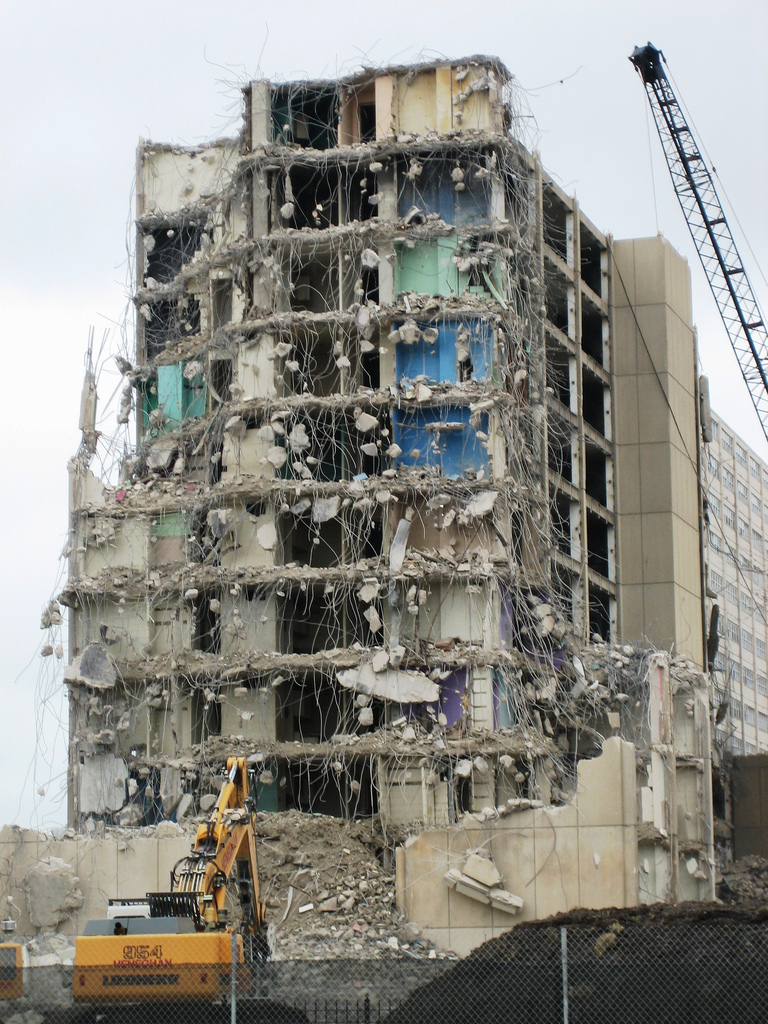
Schultz, first and foremost, gets the students involved in a topic that is current and effects their lives directly; the squalid conditions of their own school. By doing this, Schultz follows Haberman's first suggestion and transforms "difficult events and issues...into the very stuff of the curriculum" (Haberman 1991). This not only gets his students interested and excited about the information, but it also allows them to shape and mold the topics as well as the types of learning that occur in their classroom.
Schultz also creates an environment in which real learning can occur, mainly by restricted his own voice and personal opinions and focusing more on the students. By really listening to his students and allowing them to grapple with issues amongst themselves, Schultz is not the lone educator in the room. Every individual who participates in the classroom has a valid opinion and serves as an educator to the rest of the class. The interactive relationships and discussions amongst the students themselves serve as templates through which further student investigation and inquiry can build itself. This forces the students to explore alternate resources and media forms outside of their textbooks and to make sense of material that is far beyond their grade level, to say the least.
This type of teaching as described by Haberman, is most effective. I would have to agree. Schultz's curriculum focuses on the students and the real-life problems that affect them. Besides the conditions at the school, Schultz gets the students to examine the politics and social systems that directly affect them and their school. Besides exploring the situation at Carr, students discovered the ways in which urban schools get their funding, including the complexities of issues like race and class.
By doing this, Schultz educates his students in the techniques and knowledge they will need to meet state standards, like reading and writing, as well as some of the invaluable "facts of life" (Haberman 1994), even if those facts are disillusioning. Where I think Schultz goes above and beyond is in the take home message that the students got from this extensive project.
These students learned that sometimes the "facts of life" and the "way things are" can and need to be changed. By putting their best foot forward and investing their time and energy wholeheartedly in to something they believed in, they were able to make real changes to their situation. The value of the process is not something that was lost on the students. They knew the magnitude of what they had just accomplished, and appreciated the journey and learning for all that it was worth, even if they did not ever get the new school they had hoped for. The skills they acquired from this project will be a resource for them in whatever they do in life. That is what good teaching is all about.